Yes, luxury vinyl plank can be installed over a concrete slab—and in Florida, that is one of the most common ways we see it installed. But “you can install LVP over concrete” is not the same as “you can click it together over any slab and everything will be fine.”
The floor covering may be waterproof, but the slab underneath still matters. Moisture, flatness, cracks, old adhesive, paint, debris and high spots can all affect how a floating floor performs.
At Case Floors of the Panhandle, we sell a lot of SPC luxury vinyl plank for slab homes in Pace, Pensacola, Milton, Navarre, Gulf Breeze and the surrounding Florida Panhandle. These are the things we tell customers to check before the first box gets opened.
1. Start With a Clean, Solid Slab
Concrete needs to be clean and structurally sound before a floating LVP installation begins. Sweep and vacuum thoroughly. Remove anything that can create a bump under the floor, including drywall mud, paint blobs, loose patch material, nails, tack-strip debris and hardened adhesive ridges.
A tiny piece of debris under a floating floor can turn into a noticeable pressure point once the planks are locked together and walked on every day.
2. “Waterproof Flooring” Does Not Mean “Ignore Slab Moisture”
This is probably the biggest misunderstanding we hear.
SPC LVP is designed to handle water on the surface far better than wood-based flooring. But moisture vapor can still move through concrete. That moisture can affect the installation environment, old adhesive residue, underlayment, trim, walls and other materials around the floor. It can also matter for the flooring manufacturer’s installation requirements and warranty.
That is why moisture conditions should be evaluated before installing over a slab—especially with newer concrete, a slab with a known moisture history, or a home that has had previous flooring problems.
For more on why Florida conditions matter, see our guide to the best flooring for Florida humidity.
3. Check the Slab for Flatness, Not Just “Level”
A floor does not have to be perfectly level from one end of the house to the other, but it does need to be flat enough for the locking system to perform correctly.
Low spots can let the floor flex every time someone walks across them. High spots can create rocking, pressure and stress at the joints. Over time, too much movement can contribute to clicking, separation or damage to the locking edges.
This is why a good installer checks the slab before laying the first row. Depending on what is found, preparation may include grinding a high area, patching a low area or addressing a larger subfloor issue before installation continues.
4. Do Not Expect a Thicker Plank to Hide a Bad Slab
Customers sometimes assume that buying 8mm flooring will solve dips and uneven concrete that a 5mm floor cannot. A thicker floor may feel more substantial, but it is still a floating click-lock system. The slab has to meet the flooring’s installation requirements.
Thickness should be chosen for the overall project—not as a substitute for subfloor preparation. If you are comparing thicknesses, our guide to 4.5mm vs. 5mm vs. 6.5mm vs. 8mm LVP explains the differences.
5. What About Cracks in the Concrete?
Hairline cracks in a slab are common, especially in Florida. The important question is whether the crack is stable or whether there is movement, height difference or an ongoing structural issue.
A floating LVP floor can bridge some minor surface imperfections after proper preparation, but it should not be used to hide a slab problem that needs repair. If one side of a crack is noticeably higher than the other, or the crack appears active, have the slab evaluated before covering it.
6. Old Glue and Previous Flooring Can Cause Problems
When carpet, glue-down vinyl or another floor is removed, the slab is not always ready for LVP. Old adhesive can leave ridges and rough areas. Some residues may also require special handling depending on the age and type of material.
Do not simply assume the new floor will float over everything that is left behind. The surface should be smooth enough that the locking system is not being forced to flex over old material.
7. Do You Need a Moisture Barrier Under LVP on Concrete?
Sometimes. The correct answer depends on the exact flooring product, the manufacturer’s instructions and the installation conditions.
Many floating-floor installations over concrete use a polyethylene vapor retarder beneath the flooring, even when the plank already has an attached pad. But attached pad and moisture protection are not automatically the same thing.
Always follow the instructions for the exact flooring being installed. Adding an underlayment or moisture product that is not approved for the floor can create its own problems, so more layers are not always better.
8. Attached Pad Does Not Eliminate Subfloor Prep
Most of the SPC flooring we sell includes an attached IXPE pad. That pad can improve comfort and sound performance, but it is not designed to fill large dips, cover debris or correct a rough slab.
Think of the pad as part of the flooring system—not a repair product for the concrete underneath it.
9. Leave the Required Expansion Space
Floating LVP is designed to move as a floor system. It should not be wedged tightly against walls, cabinets, door jambs or other fixed objects. The correct perimeter gap depends on the product’s installation instructions.
Baseboards or quarter round cover that gap after installation. Skipping it because “SPC doesn’t expand much” is not a good shortcut.
10. Be Careful Around Fixed Cabinets and Islands
Floating floors generally need to remain free to move. Installing fixed cabinetry or a heavy permanent island directly on top of a floating floor can pin it in place.
Plan the flooring layout and cabinet installation together so the floor can perform the way it was designed to.
The Florida Slab Checklist
- Is the slab clean?
- Is it dry enough for the flooring system being installed?
- Is it flat within the product’s installation requirements?
- Are cracks stable and properly addressed?
- Has old glue, patch material and debris been removed or prepared correctly?
- Does the installation call for a vapor retarder?
- Are the correct expansion gaps being left?
- Are fixed cabinets and islands accounted for?
One More Thing: Let the Installer See the Slab
When Case Floors sells material only, we can help you choose the flooring and explain the product specifications, but the person installing the floor needs to evaluate the actual jobsite and subfloor conditions.
If you are doing the work yourself, slow down on the preparation stage. Most people are excited to start clicking planks together, but the work you do before the first row often determines how good the finished floor feels months and years later.
For installation basics, you can also read our step-by-step guide to installing click-lock LVP.
Shopping for LVP for a Concrete-Slab Home?
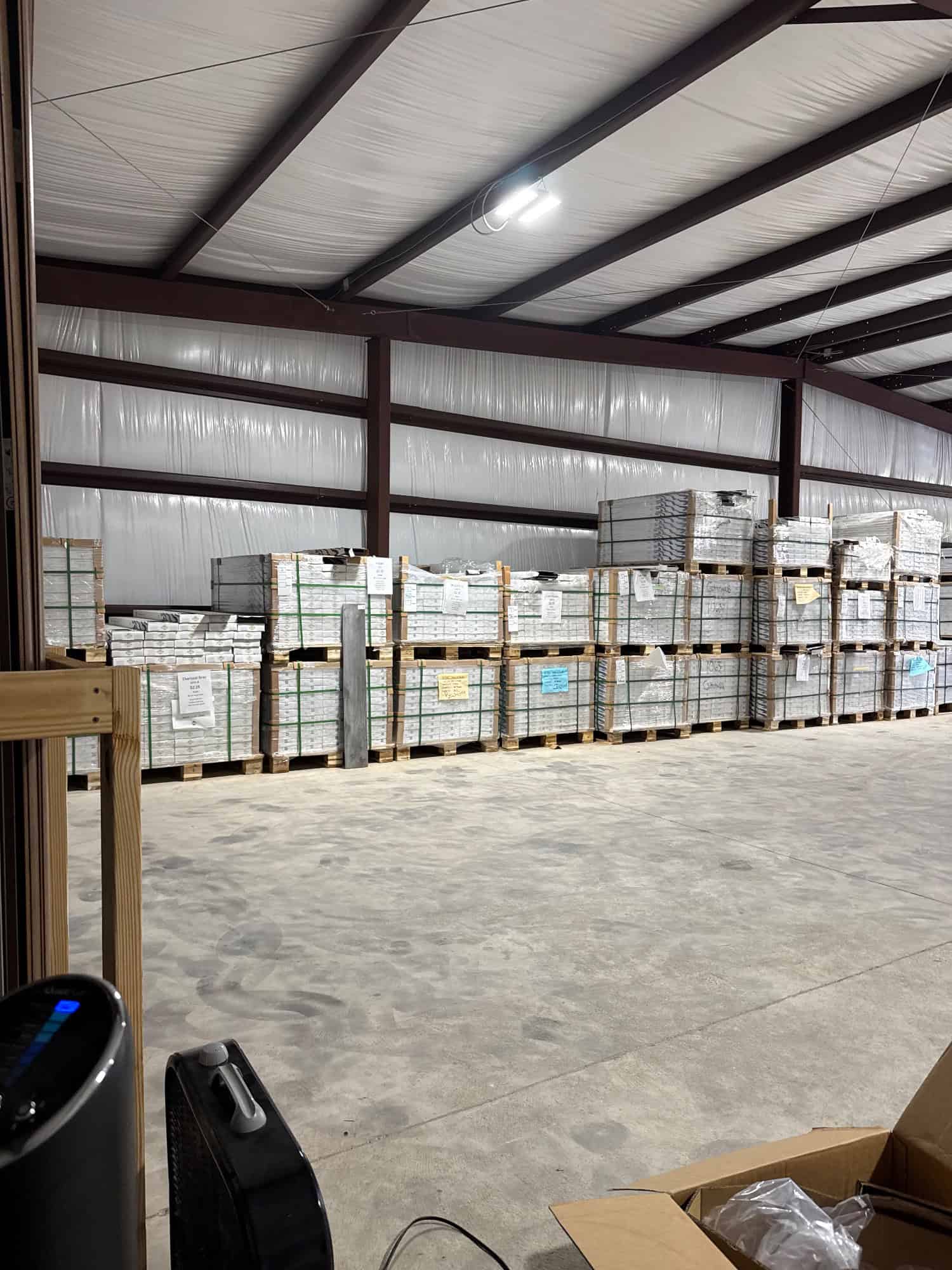
Bring us your square footage and tell us what type of slab, room and project you are working with. Case Floors of the Panhandle keeps a large selection of SPC luxury vinyl plank in stock at our Pace warehouse, and we can help you compare options before installation day.
Visit 4350 Floridatown Road in Pace or call 850-287-1889.