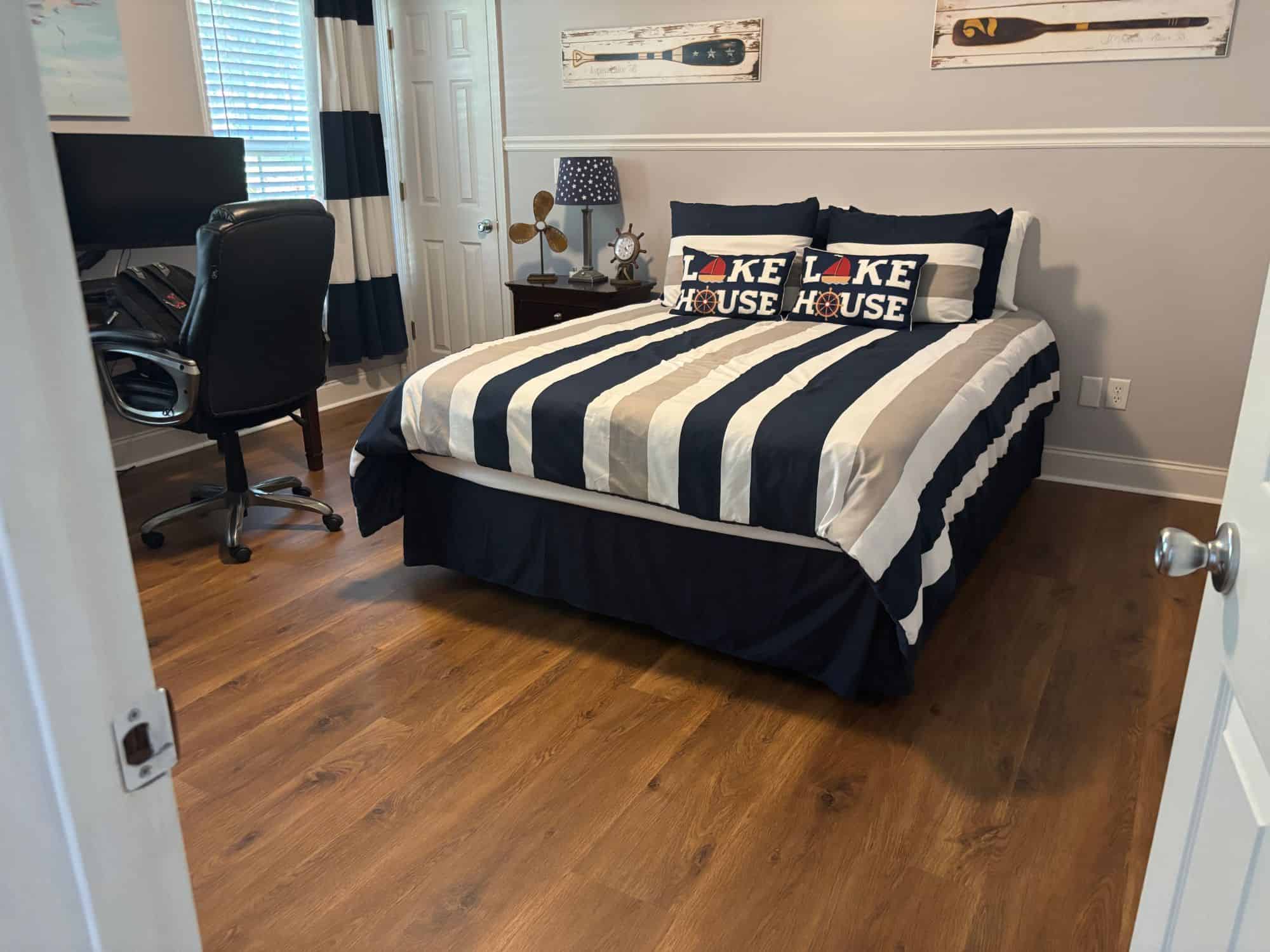

Ask ten homeowners on the Gulf Coast what they should put on the floor and you will get two answers: tile, because that is what everyone has always done here, or luxury vinyl plank, because that is what everyone seems to be putting in now. Both are fair answers. Neither one is right for every house.
We sell LVP for a living at Case Floors of the Panhandle, so you can guess which way we lean. But we also spend a lot of time talking people out of the wrong product, and there are still rooms and situations where tile is the better call. Here is the honest comparison we give customers in Pensacola, Gulf Breeze, Navarre and Pace when they are standing in our showroom trying to decide.
The moisture question is closer than most people assume
Tile has a reputation as the only truly waterproof floor, and the tile itself is. The grout between it is not. Grout is porous, it absorbs, it stains, and in a coastal house with salt air and sand it discolours faster than anyone expects. Sealing helps for a while. It is also the part nobody remembers to re-do.
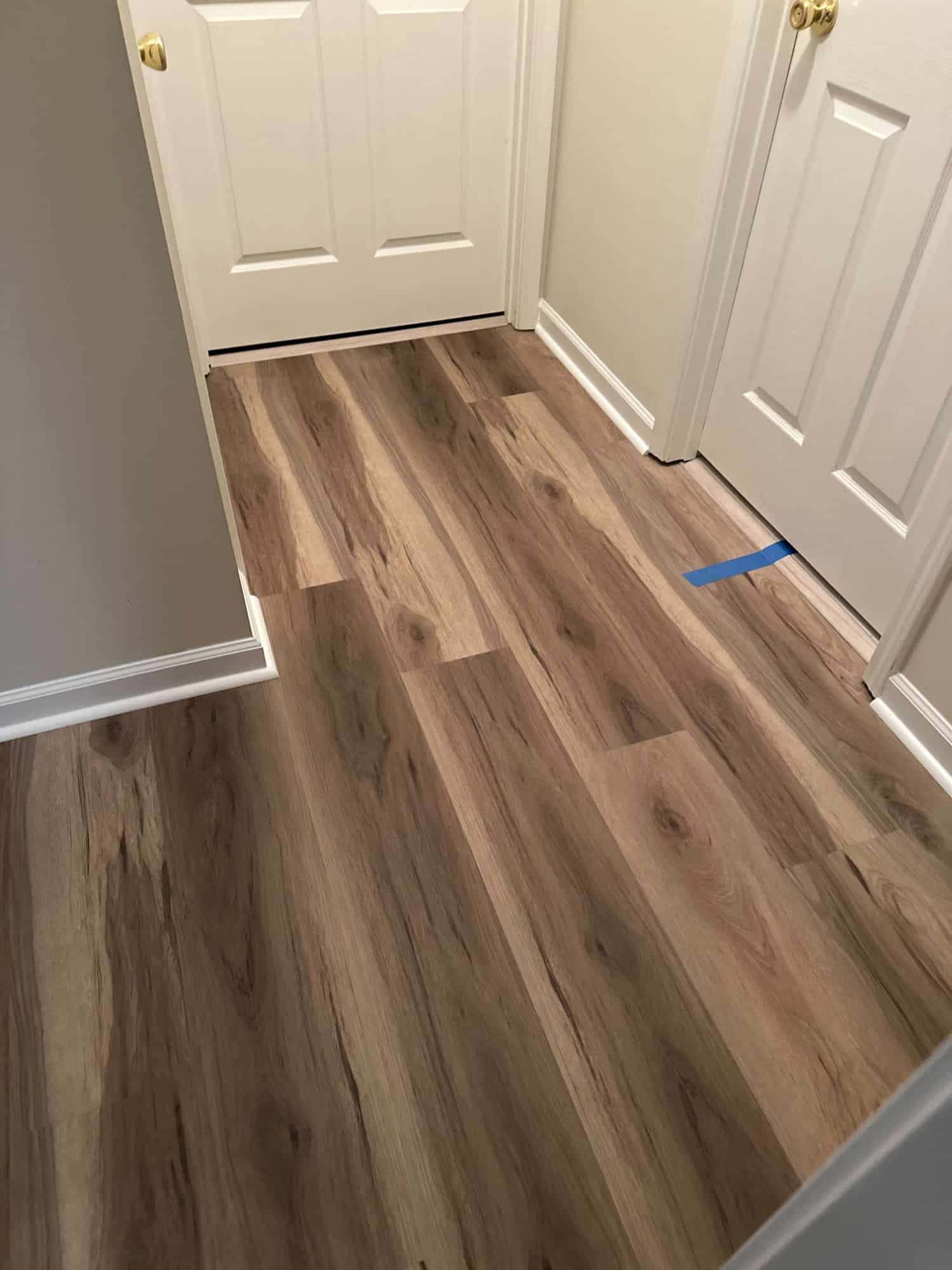
A rigid-core waterproof LVP has no grout lines at all. Water sits on the surface and wipes up. The plank core does not swell the way a laminate core does, which is the whole reason we moved our stock over to waterproof rigid core in the first place. If you want the longer version of that argument, we wrote it up in our guide to the best flooring for Florida humidity.
Where tile genuinely wins on water is standing water for long periods, and floors that will be hosed down. A pool bath, an outdoor-adjacent laundry, a mud room off the carport, a commercial kitchen. Those are tile rooms.
Comfort is the difference people notice on day one
This is the one customers never bring up and always mention afterwards. Tile is hard and it is cold, which sounds appealing in August and stops being appealing the moment you are standing at a kitchen sink for twenty minutes. Dropped glasses shatter. Dropped phones crack. Older knees complain.
LVP has a small amount of give, and an attached pad on many products. It is quieter underfoot, warmer in winter, and much more forgiving of the things that get dropped in a house with kids. In a second-floor condo or a bedroom over a living space, the sound difference alone is worth the conversation.
Installation time, subfloor prep and disruption
Tile is a wet trade. It needs a flat, rigid, prepared substrate, thinset, cure time and grout time. In an occupied house that usually means several days of a room being out of commission, plus dust.
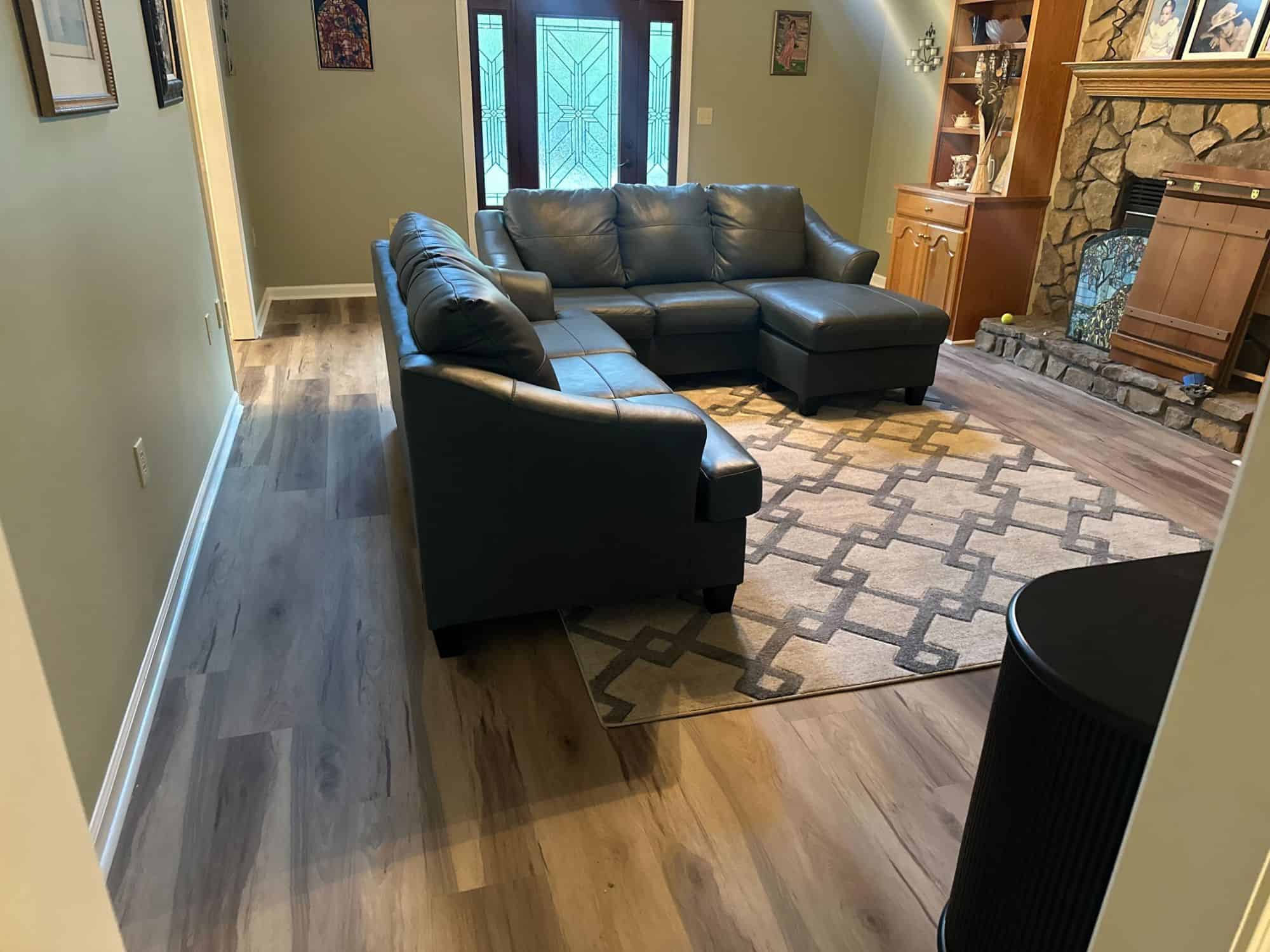
Most of our LVP goes down as a floating click floor over the existing subfloor, and a normal-sized living area is a one-day job. If you are a capable DIYer, it is genuinely achievable, and we walk through the method in our step-by-step guide to installing a 2G locking system.
The caveat is flatness. A floating floor telegraphs a bad subfloor, and older Panhandle homes on slab often have dips. That prep still has to happen either way, so factor it into both quotes.
Scratches, dents and the things that actually damage floors
Tile is harder than LVP and will not scratch from sand or dog nails. That is a real advantage in a beach house where sand comes in on every pair of feet.
LVP handles it better than its critics claim, but the wear layer is what determines that, not the brand name on the box. A 12 mil wear layer in a rental with four tenants and two dogs will not hold up. A 20 or 24 mil will. We get into the detail in what scratch resistance really means on an LVP spec sheet, and it is the single most common place we see people get sold short — see also not all LVP is created equal.

Repairs, and what happens in ten years
Crack a tile and you are matching a discontinued tile, chipping out grout and hoping the replacement is not a shade off. Damage a plank in a floating LVP floor and a competent installer can lift and swap it, which is a much smaller afternoon.
Resale is a wash in our market. Buyers here expect hard-surface flooring throughout, and a good wood-look LVP reads as an upgrade in the same way tile does. Buyers who dislike tile usually dislike it in bedrooms, which is exactly where LVP tends to win.
Cost, realistically
- Material: mid-grade LVP and mid-grade tile land in a similar range. Cheap tile is cheaper than cheap LVP, and we would steer you away from both.
- Labour: tile installation costs meaningfully more per square foot, and that gap is where most of the total-project difference comes from.
- Prep: similar for both if the slab needs levelling.
- Transitions and trim: usually simpler and cheaper with LVP because you are not building up height with mortar.
For a whole-house job in Navarre or Gulf Breeze, the finished number on LVP is normally the lower one, mostly on labour.
How we would actually advise you
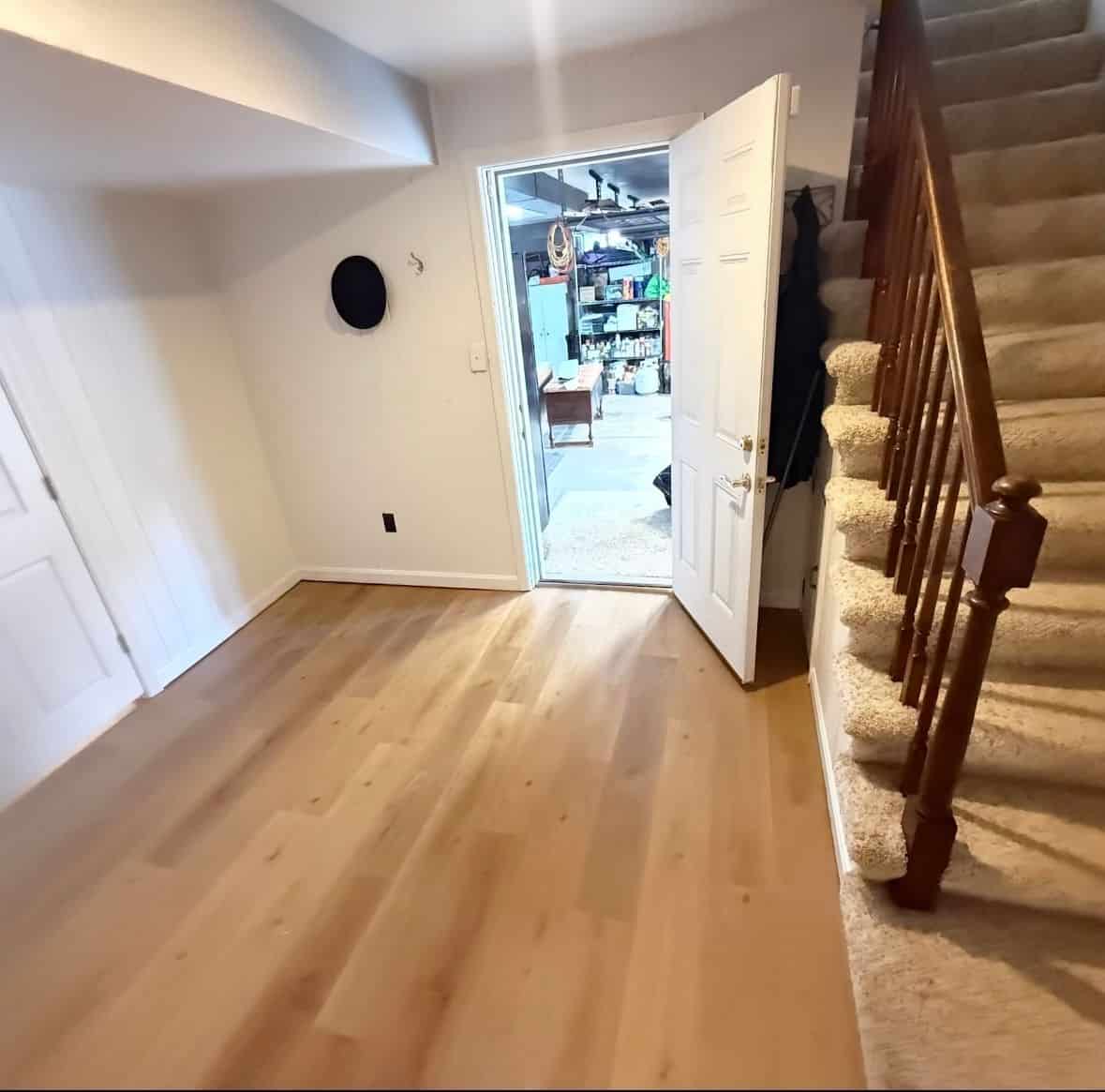
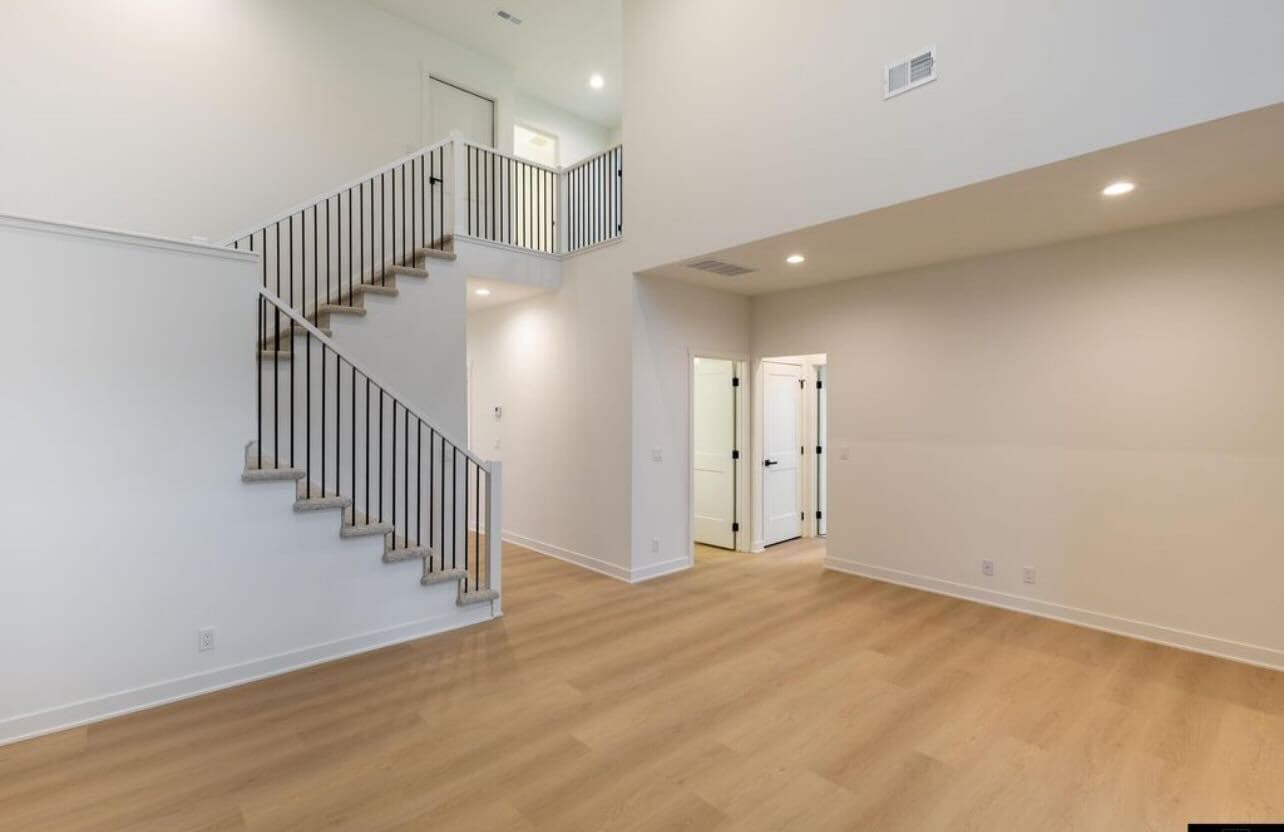
If you are doing living areas, bedrooms, hallways and a standard kitchen in a coastal home, waterproof rigid-core LVP with at least a 20 mil wear layer is the choice we recommend nine times out of ten. It is warmer, quieter, faster to install, has no grout to maintain, and handles Panhandle humidity without complaint.
If you are doing a pool bath, a hose-down laundry, an entry that takes standing water, or a commercial space that gets mopped hard every night, put tile there and run LVP everywhere else. Mixing the two in the right places is not a compromise. It is just good specification.
Come look at it in person
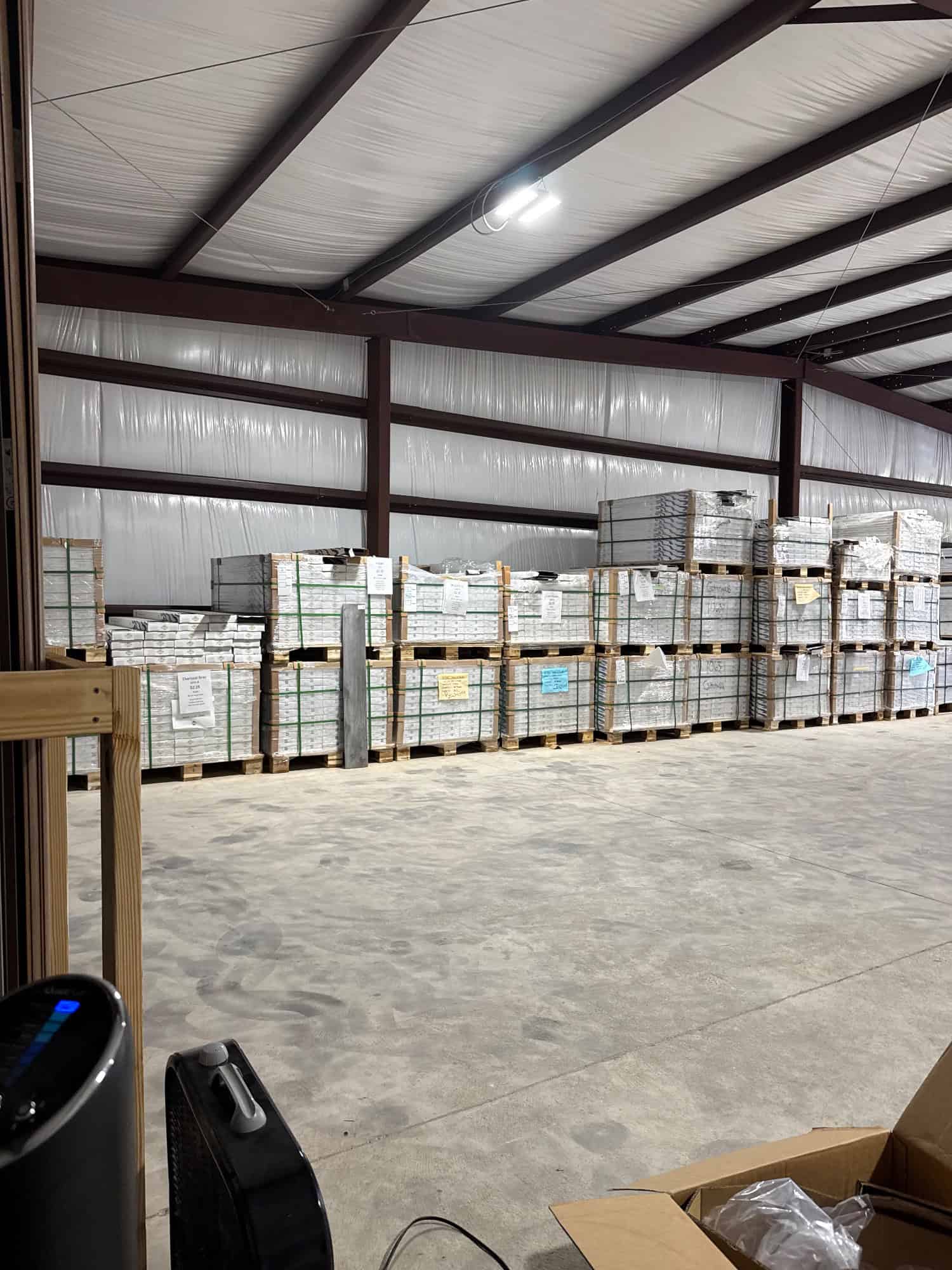
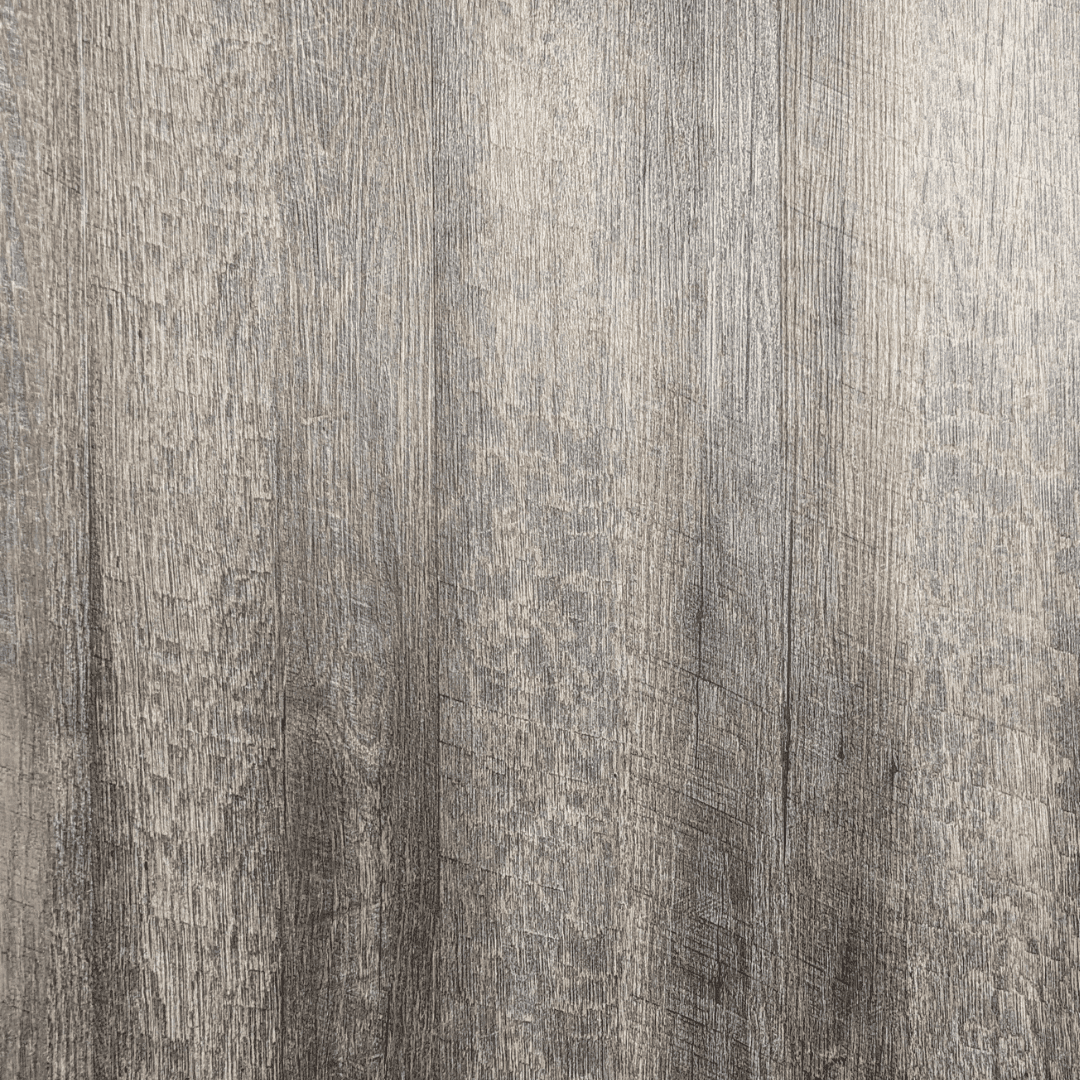
Photos only get you so far with flooring. Our warehouse in Pace has the full range on display and in stock, and we are happy to hand you a sample to take home and put next to your cabinets in your own light.
Case Floors of the Panhandle, 4350 Floridatown Road, Pace, FL 32571. Call us at 850-287-1889. We work with homeowners, contractors and property managers across Pace, Pensacola, Milton, Navarre and Gulf Breeze. And if you are weighing where to buy as much as what to buy, here is why choosing a local, established flooring business matters.