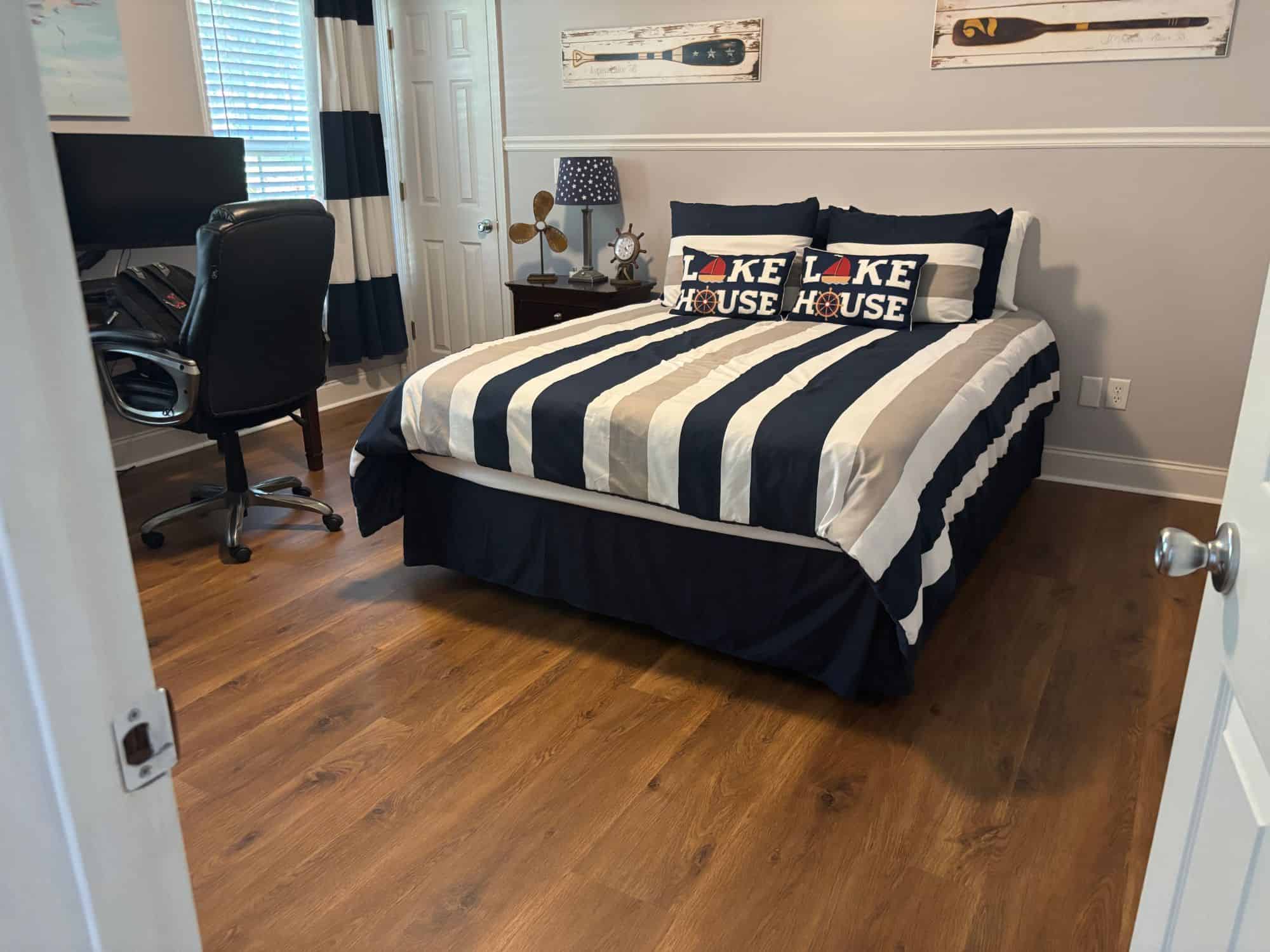
Luxury Vinyl Plank (LVP) flooring has officially taken over — and 2026 is shaping up to be its most exciting year yet. Whether you’re renovating a single room or outfitting an entire home, here’s what’s trending right now and what you should be considering for your next flooring project.
1. Warm, Natural Tones Are In — Cool Greys Are Out
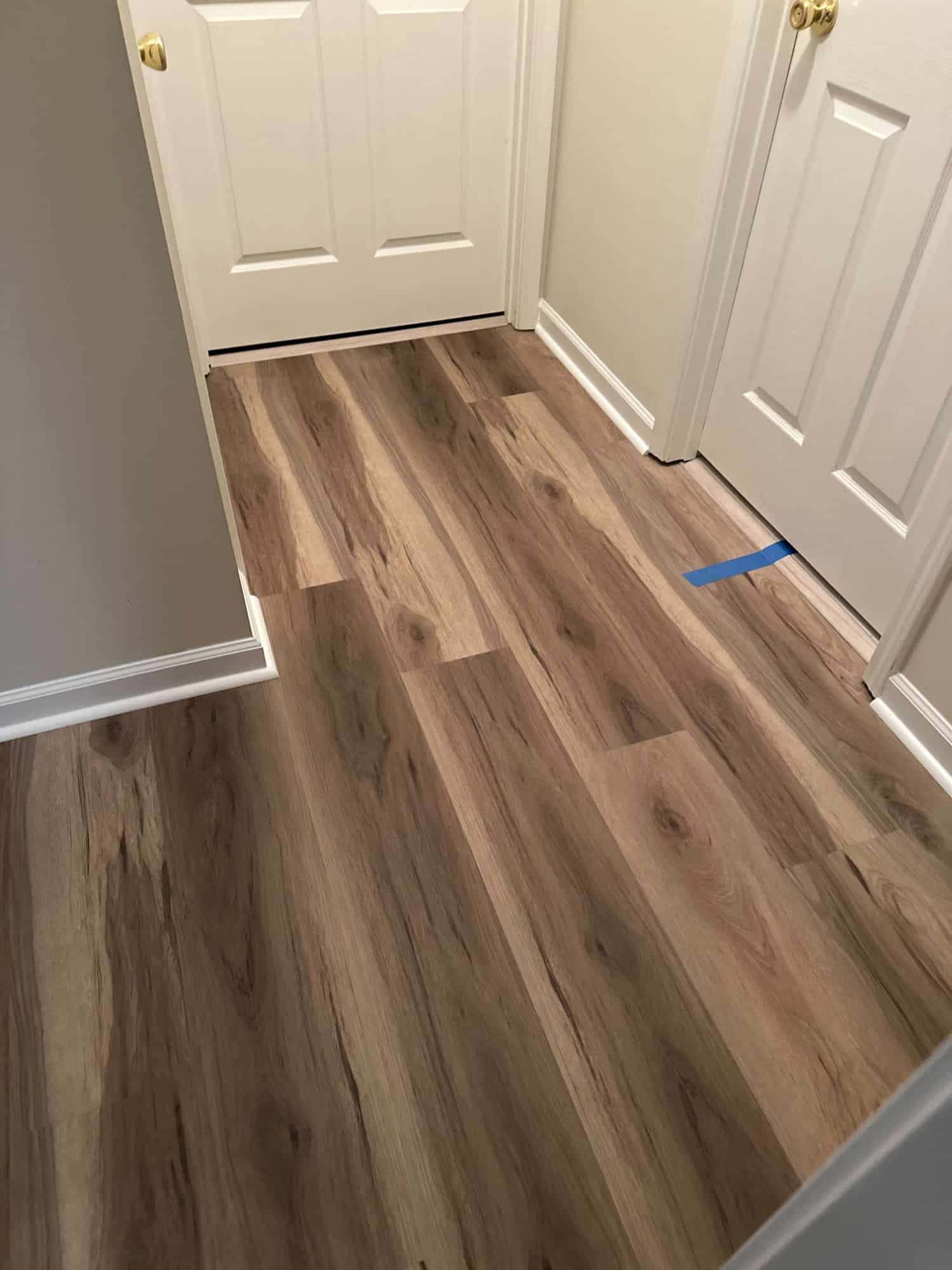
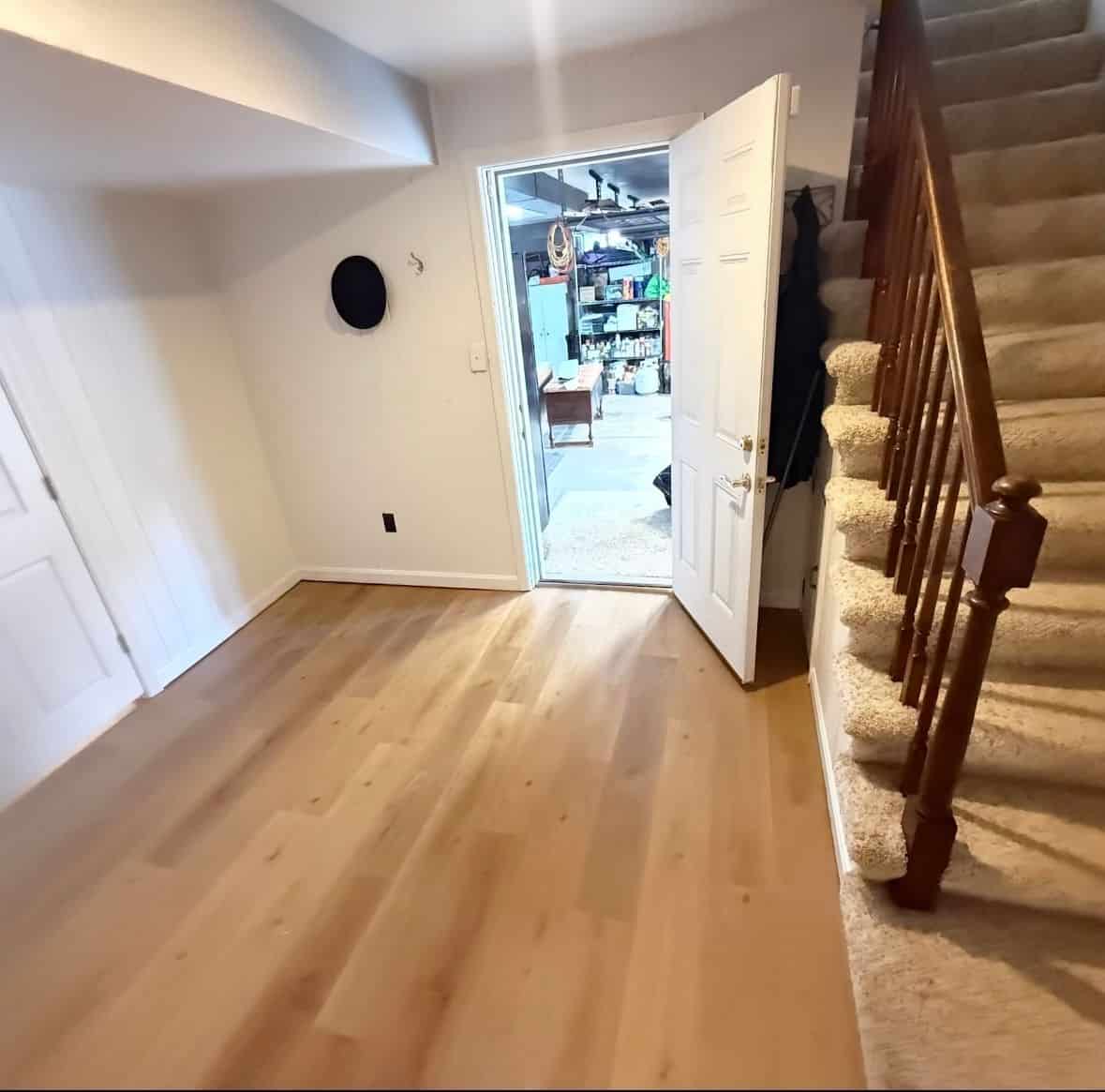
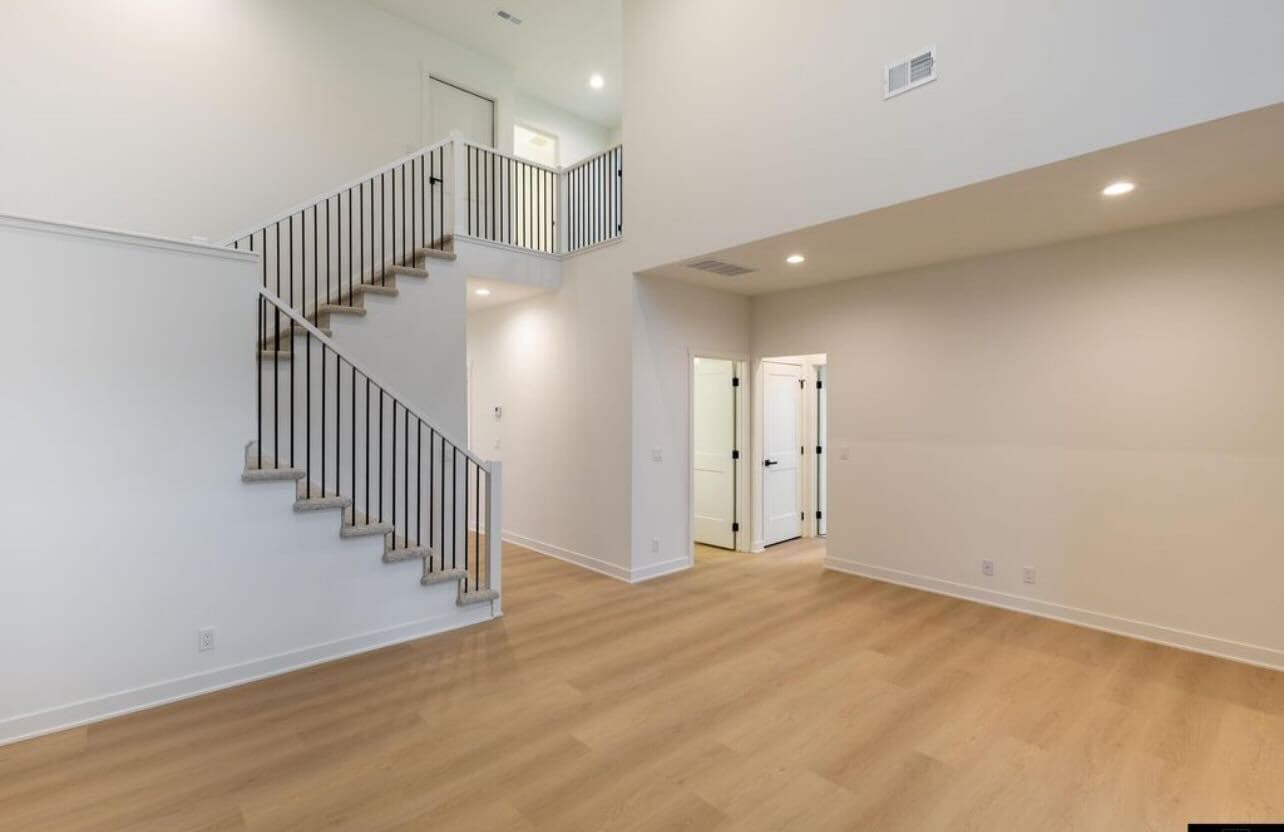
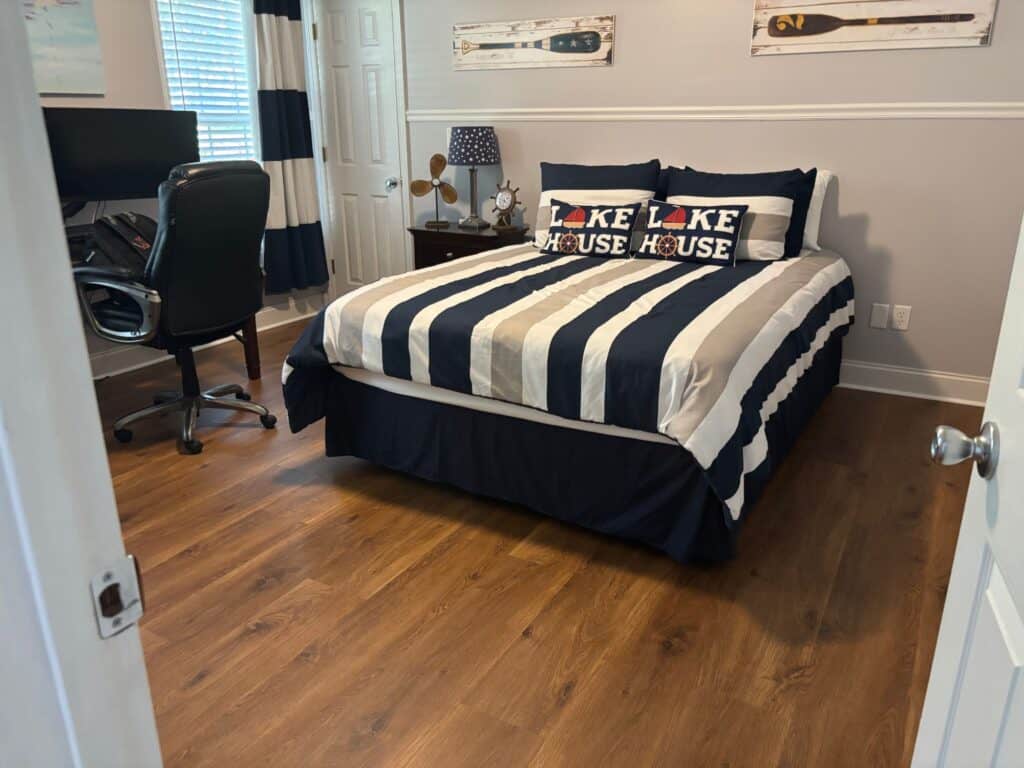
The grey floor era is winding down. In 2026, homeowners are gravitating toward warmer palettes: pale oak, sandy beige, warm honey, and soft greige tones that bring a natural, lived-in feel to any space. These tones pair well with both modern and traditional interiors and have the added benefit of making rooms feel brighter and more open.
2. Wide Planks Dominate
Wider is better in 2026. Wide-plank LVP (think 7″ and above) creates a more expansive, contemporary look that makes spaces feel larger. The extra width also means fewer seams, giving your floor a cleaner, more seamless appearance that’s closer to real hardwood.
3. Herringbone and Chevron Patterns Go Mainstream
Once reserved for high-end historic homes, herringbone and chevron layouts are now accessible at every price point. Pre-cut LVP planks designed specifically for these patterns have made installation easier than ever, and the result is a floor that looks anything but ordinary. If you want a conversation-starter floor, this is it.
4. Matte Finishes Are the New Standard
Glossy floors are fading fast. Matte and low-sheen finishes dominate 2026 LVP collections because they look more like real wood, hide everyday scuffs and footprints better, and simply feel more sophisticated. If you haven’t considered a matte finish, now’s the time.
5. Realistic Texture and Natural Variation
Today’s LVP is engineered to feel as close to hardwood as possible. That means realistic grain texture you can actually feel underfoot, and boards with natural variation in tone and pattern — no two planks looking exactly the same. Synchronized embossing (where the texture aligns with the printed grain) takes this even further, making it genuinely hard to tell LVP from real wood.
6. Waterproof and Pet-Friendly Are Table Stakes
In 2026, waterproof construction is no longer a premium feature — it’s expected. SPC (Stone Plastic Composite) core technology is now the default choice for most LVP, offering 100% waterproof protection, superior dent resistance, and excellent stability in fluctuating temperatures. If you have kids, pets, or just live your life, SPC LVP is the smart choice.
7. Eco-Friendly Certifications Matter More Than Ever
Homeowners are paying closer attention to what’s in their floors. Look for LVP with FloorScore or GREENGUARD certifications, which indicate low VOC emissions and better indoor air quality. Sustainable manufacturing practices are increasingly a factor in purchasing decisions — and for good reason.
Ready to Update Your Floors?
At Case Floors, we carry a wide selection of the latest LVP styles — from wide-plank warm oak to herringbone-ready collections. Whether you’re browsing ideas or ready to buy, our team can help you find the perfect fit for your space and budget.
Stop by our showroom or contact us today to get started.
Frequently Asked Questions About LVP Flooring
What is LVP flooring and how is it different from regular vinyl?
LVP stands for Luxury Vinyl Plank. Unlike old-school sheet vinyl, LVP comes in individual planks that mimic the look and feel of real hardwood. Modern LVP features multi-layer construction with a rigid core, a photographic design layer, and a protective wear layer on top — making it far more durable, realistic, and comfortable underfoot than traditional vinyl.
Is LVP flooring waterproof?
Yes — most quality LVP is 100% waterproof, especially those with an SPC core. This makes it an excellent choice for kitchens, bathrooms, laundry rooms, and basements. Just ensure the subfloor and transitions are properly sealed for full protection.
How long does LVP flooring last?
With proper care, quality LVP can last 20–25 years or more. Wear layer thickness matters — for residential use, look for at least 12 mil; for high-traffic areas, 20 mil or above is recommended.
Can LVP be installed over existing flooring?
In many cases, yes. LVP can go over existing hard surfaces like tile or hardwood as long as the subfloor is flat, dry, and structurally sound. It should not be installed over carpet. Always consult a flooring professional to assess your specific situation.
What’s the difference between SPC and WPC LVP?
SPC (Stone Plastic Composite) has a denser core — more dent-resistant and ideal for high-traffic areas. WPC (Wood Plastic Composite) has a softer feel underfoot. Both are waterproof; the choice comes down to durability vs. comfort.
How do I clean and maintain LVP flooring?
LVP is low-maintenance. Regular sweeping or vacuuming (no beater bar) and occasional damp mopping with a pH-neutral cleaner is all it needs. Avoid steam mops, abrasive scrubbers, and harsh chemicals. Use felt pads under furniture legs to prevent scratches.
Is LVP a good investment for resale value?
Absolutely. LVP delivers the look of hardwood at a fraction of the cost, and its durability and waterproofing are strong selling points for buyers. As one of the most popular flooring choices in 2026, a well-installed LVP floor can meaningfully boost your home’s market appeal.